
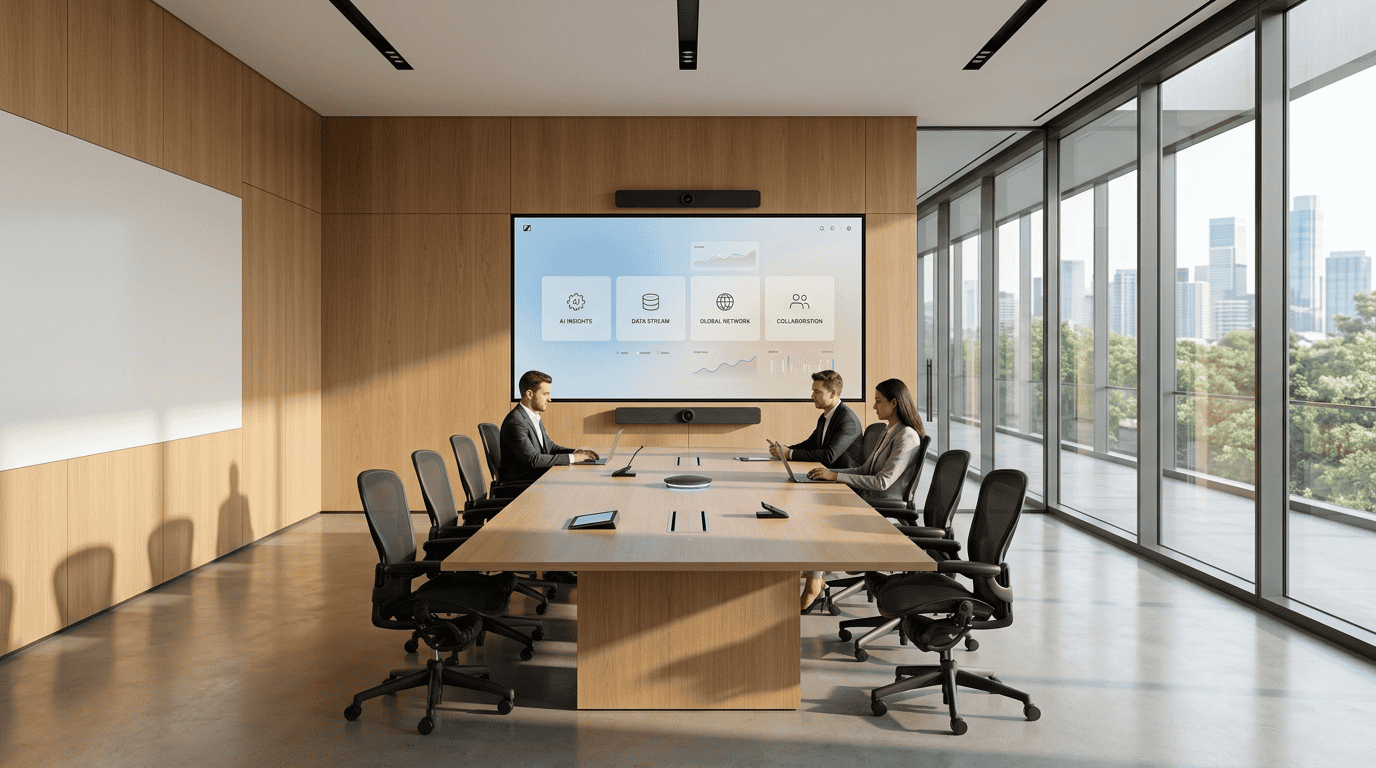
Workspace Restructuring for Successful AI Agent Integration
A hybrid AI workplace operates by seamlessly blending human expertise with digital workers, utilizing a collaborative technology infrastructure to automate routine task layers, orchestrate digital agent workflows, and surface contextual insights in real time, enabling physical teams to focus entirely on high value, strategic growth.
How Do We Build a Collaborative Technology Infrastructure?
Integrating autonomous systems requires a robust collaborative technology infrastructure that bridges local operations with centralized cloud processing. Instead of relying on fragmented tools, forward-thinking enterprises deploy a unified framework where physical environments and digital platforms communicate instantly. By establishing secure connections to cloud execution layers, organizations can safely synchronize proprietary knowledge bases using Smart Data protocols.
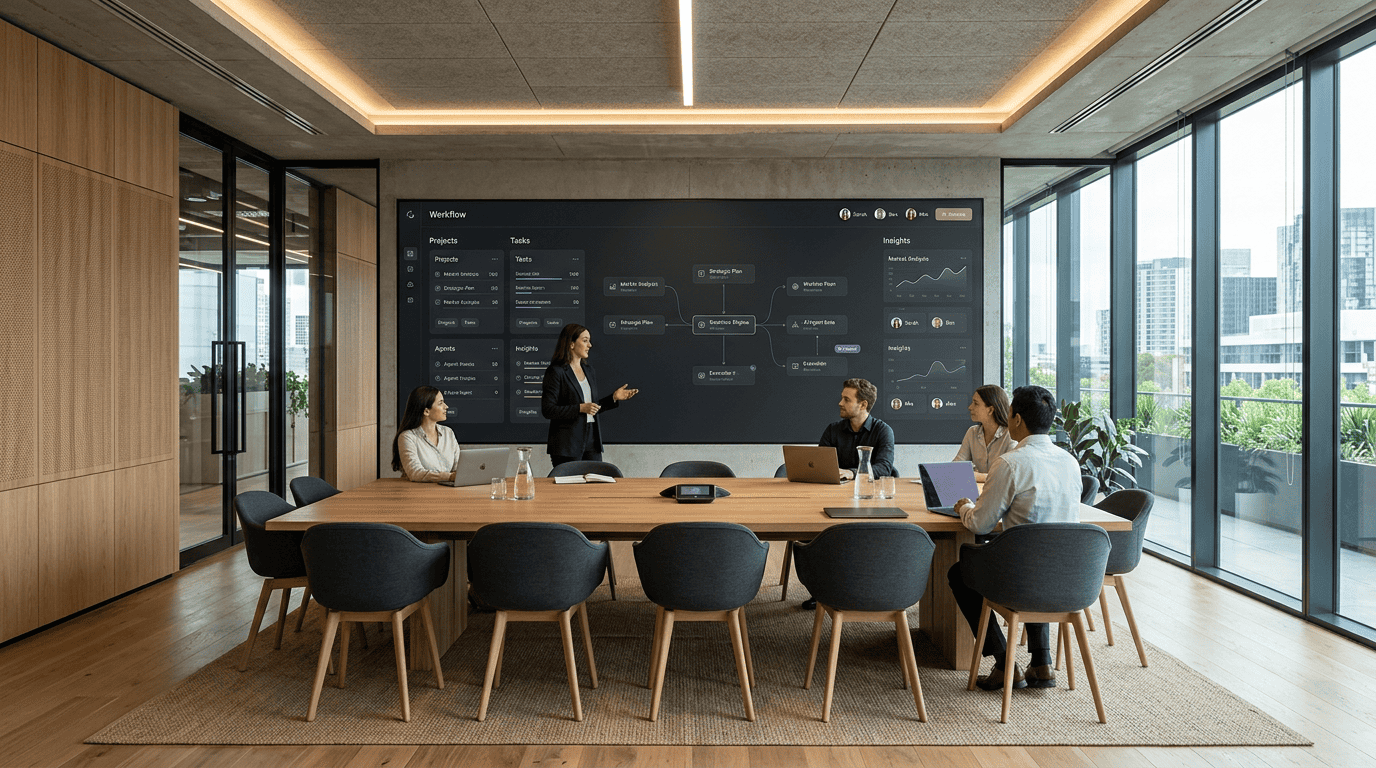
This structured approach ensures that AI models are trained exclusively on verified company facts rather than generic public datasets. To maintain absolute design fidelity and brand consistency across generated digital touchpoints, administrators utilize locked Smart Views. These components prevent unauthorized modifications by either human editors or autonomous systems, securing corporate identity at scale.
What Does Workflow Redesign Look Like in a Hybrid Environment?
Successful AI agent integration demands a fundamental shift from manual task execution to high-level system orchestration. Organizations must transition their online presence under the guiding philosophy of moving From Website to Web Agent, transforming static digital brochures into dynamic, self-operating assets. By embedding specialized web agents directly into daily operations, workflows become highly automated and self-triggered.
For instance, marketing departments can leverage a dedicated Content Agent to generate, format, and optimize SEO-aligned articles within a controlled, brand-approved staging pipeline. Concurrently, business development teams can deploy a highly targeted Sales Agent to crawl prospects, score leads based on data density, and draft personalized outreach scripts automatically. This multi-agent collaboration quietly automates routine tasks, allowing human employees to operate as strategic editors and relationship managers.
How Can Organizations Manage the Cultural Shift?
Executing a comprehensive workspace restructuring involves navigating both physical and cultural transitions. As digital workers assume responsibility for repetitive task layers—such as initial customer inquiries, contract reviews, and data entry—organizations must proactively reassign human workers to higher-value, creative, and relationship-driven roles. This shift accelerates the transition toward outcome-based working, where productivity is measured by strategic impact rather than hours logged.
Furthermore, the physical footprint of the enterprise is evolving. With individual work becoming highly portable and digital collaboration tools enabling seamless remote operations, companies are increasingly moving away from restrictive, long-term office leases. Instead, they are adopting flexible, usage-based workspace models that accommodate a fluid, hybrid workforce. To build trust during this transition, organizations must implement transparent, multi-layered verification pipelines—such as stacked probability reasoning models—to guarantee factual accuracy and eliminate AI hallucinations, ensuring a reliable and harmonious hybrid AI workplace.
How to Transition to a Hybrid AI Workplace
Choose Your Platform Mode
Start free with the local Core Framework or unlock cloud AI Web Agents to automate your digital operations.
Core Mode
Offline-capable building engine for WordPress developers, freelancers, and agencies.
Smart Cloud
Connect your website to the CTS Cloud to unlock vector storage, reCAPTCHA, and Smart Data.
Web Agents
Unlock autonomous AI Web Agents to drive visitor interactions, content publishing, and sales.