
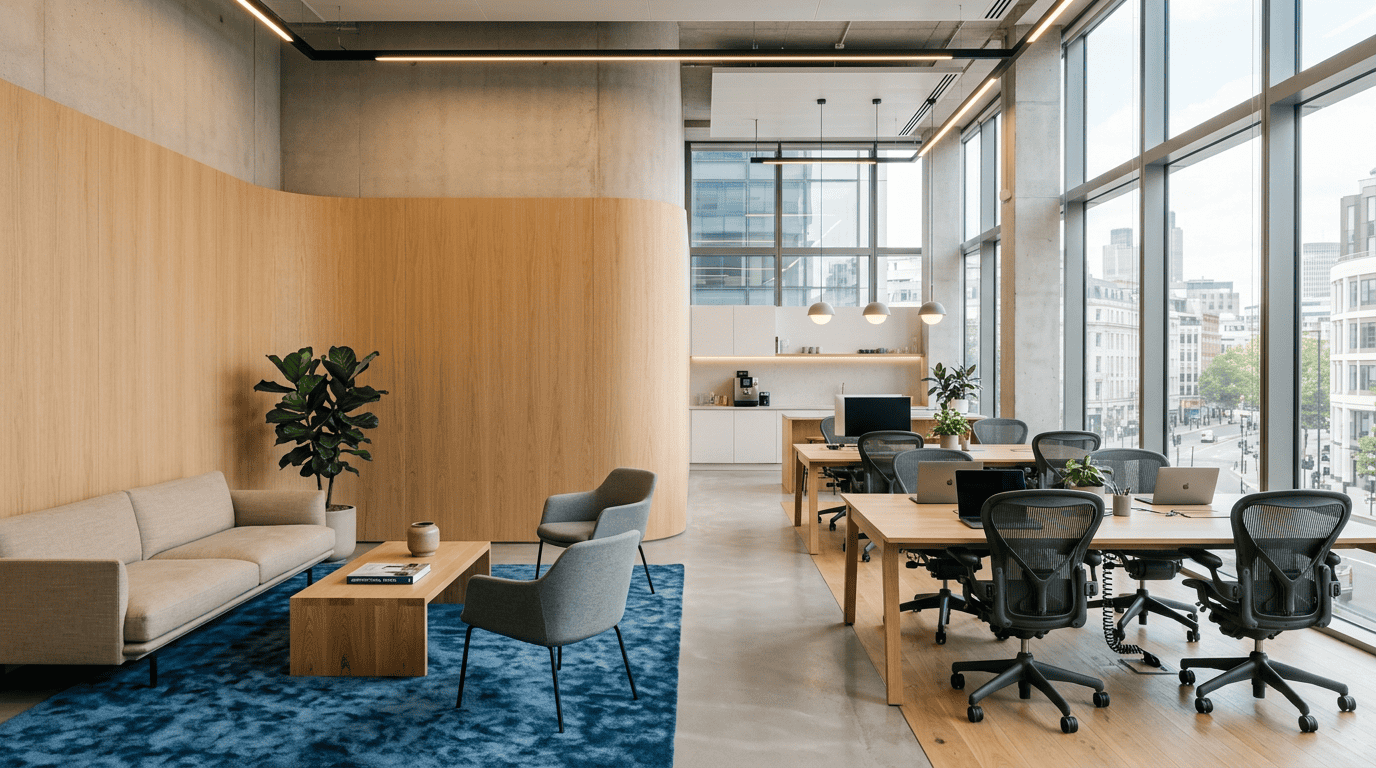
Hybrid work models reduce overhead by aligning physical square footage with actual daily occupancy, allowing organizations to downsize traditional leases, cut utility costs, and transition to elastic real estate portfolios. This strategic shift eliminates wasted space while maintaining peak operational efficiency.
As organizations navigate the complexities of modern work environments, achieving sustainable office space optimization has transitioned from a mere cost-cutting exercise into a core business strategy. Managing physical footprints requires a delicate balance between cost containment and employee productivity.
How does hybrid workspace cost reduction work?
The financial mechanics behind hybrid workspace cost reduction rely on shifting from static, long-term liabilities to dynamic, demand-driven operational models. Historically, corporate real estate portfolios were built around peak headcount projections, leaving vast areas underutilized during off-peak days.
Recent global data indicates that average office building utilization has surged to 53% in 2026, a substantial rise from 38% in 2024. However, this recovery introduces a new challenge: peak-day utilization now averages 80%, frequently exceeding the post-pandemic target of 65%. To mitigate this overcrowding without over-committing to permanent square footage, forward-thinking enterprises are adopting “elastic portfolios.” By utilizing shorter lease terms, early termination options, and integrated co-working arrangements, companies can scale their physical footprints dynamically to match fluctuating daily attendance.
What are the steps for corporate real estate restructuring?
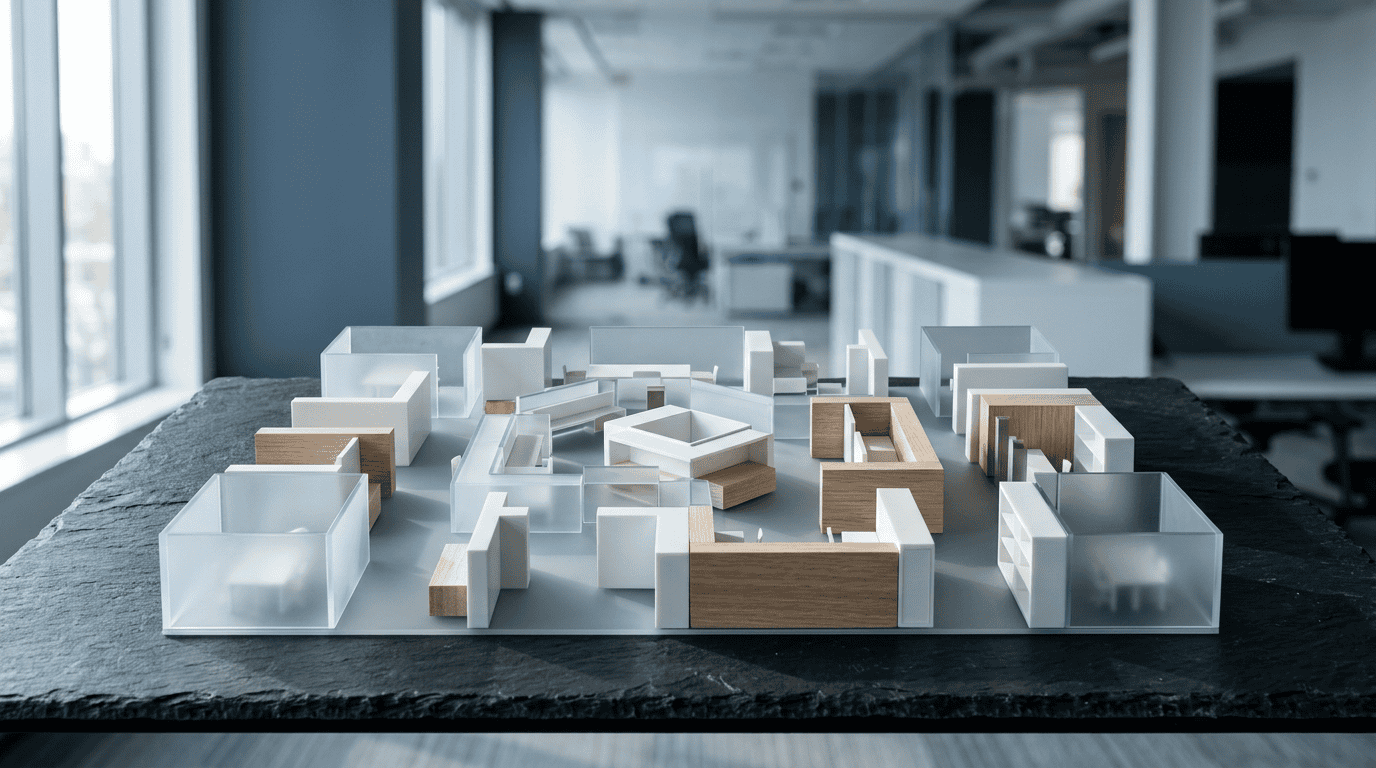
Executing a successful corporate real estate restructuring requires a systematic, data-driven approach that aligns physical assets with modern workforce behaviors. Companies must move away from guesswork and rely on precise utilization metrics to guide their spatial investments.
1. Conduct a Comprehensive Spatial Audit
Before modifying your lease commitments, analyze your actual occupancy patterns. Relying on badge-swipe data and sensor analytics reveals not just who enters the building, but which zones are actively utilized. This granular insight prevents premature downsizing that could lead to severe peak-day overcrowding.
2. Transition to Elastic Lease Structures
Replace traditional 10-year leases with flexible, multi-tiered agreements. Negotiate shorter durations, secure early termination clauses, and incorporate on-demand co-working spaces into your portfolio. This allows your organization to absorb sudden growth or contraction without carrying idle square footage.
3. Design Commute-Worthy, Experience-Centric Spaces
With approximately 52% of organizations now mandating that employees work from the office three to four days per week, the physical workplace must justify the commute. Because work-life balance outranks salary for 65% of professionals, successful restructuring must prioritize high-quality, collaborative environments over rows of empty cubicles.
4. Integrate Smart Digital Solutions
Physical space and digital infrastructure must work in tandem. Implementing intelligent scheduling, automated desk booking, and data-driven resource allocation ensures that your hybrid workforce transitions smoothly between home and corporate environments. Explore our Platform for advanced solutions that bridge physical workspaces with automated digital ecosystems, or read our latest industry insights on our Blog.
Navigating the Stabilizing 2026 Commercial Market
The commercial real estate market in 2026 is experiencing a significant macroeconomic stabilization. Following years of volatility, lower interest rates are unlocking capital, allowing corporate tenants to restructure their portfolios with renewed confidence. This recovery is highly visible in the U.S. office market, where national net absorption has risen for seven consecutive quarters, and sublease inventory has dropped 28% from its cyclical peak. By acting decisively during this stabilization phase, organizations can secure prime locations under highly favorable, flexible terms.
Four Steps to Restructure Your Corporate Real Estate
Choose Your Platform Mode
Start free with the local Core Framework or unlock cloud AI Web Agents to automate your digital operations.
Core Mode
Offline-capable building engine for WordPress developers, freelancers, and agencies.
Smart Cloud
Connect your website to the CTS Cloud to unlock vector storage, reCAPTCHA, and Smart Data.
Web Agents
Unlock autonomous AI Web Agents to drive visitor interactions, content publishing, and sales.